
Don’t Waste The Free Stuff: Use Rainwater At Home And Choose the Right Rain Tank Pump for You
Rainwater is free and environmentally friendly, and rainwater tanks offer an excellent way to save money on your home’s water bill. Rainwater also keeps the environment clean by not polluting groundwater or rivers with run-off from pesticides, fertilisers, or chemicals used in lawn care products. You can collect rainwater from your gutters to fill a rain barrel and use it around the house as well. It doesn’t take long for that savings in your wallet to add up. But before you start using your rainwater at home, you’ll need something more than just a downspout — you’ll need a pump!
What is a Rain Tank Pump?
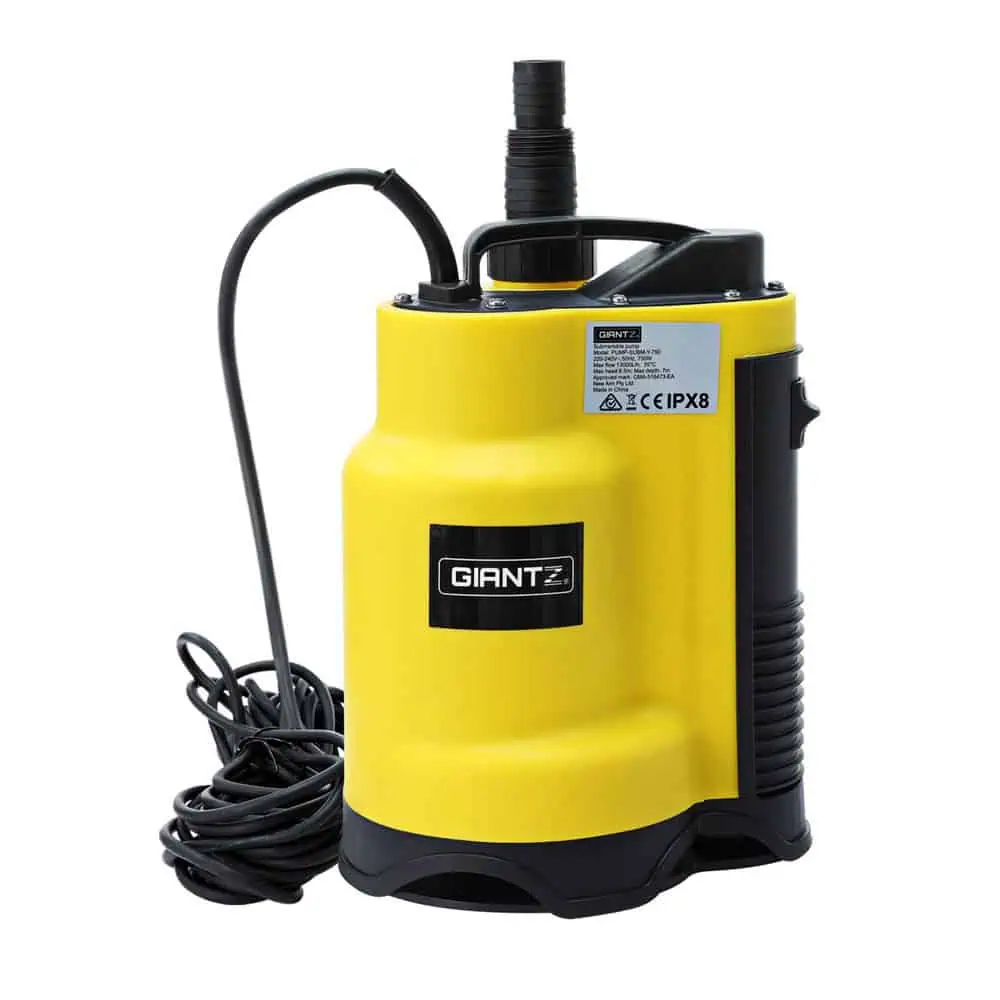
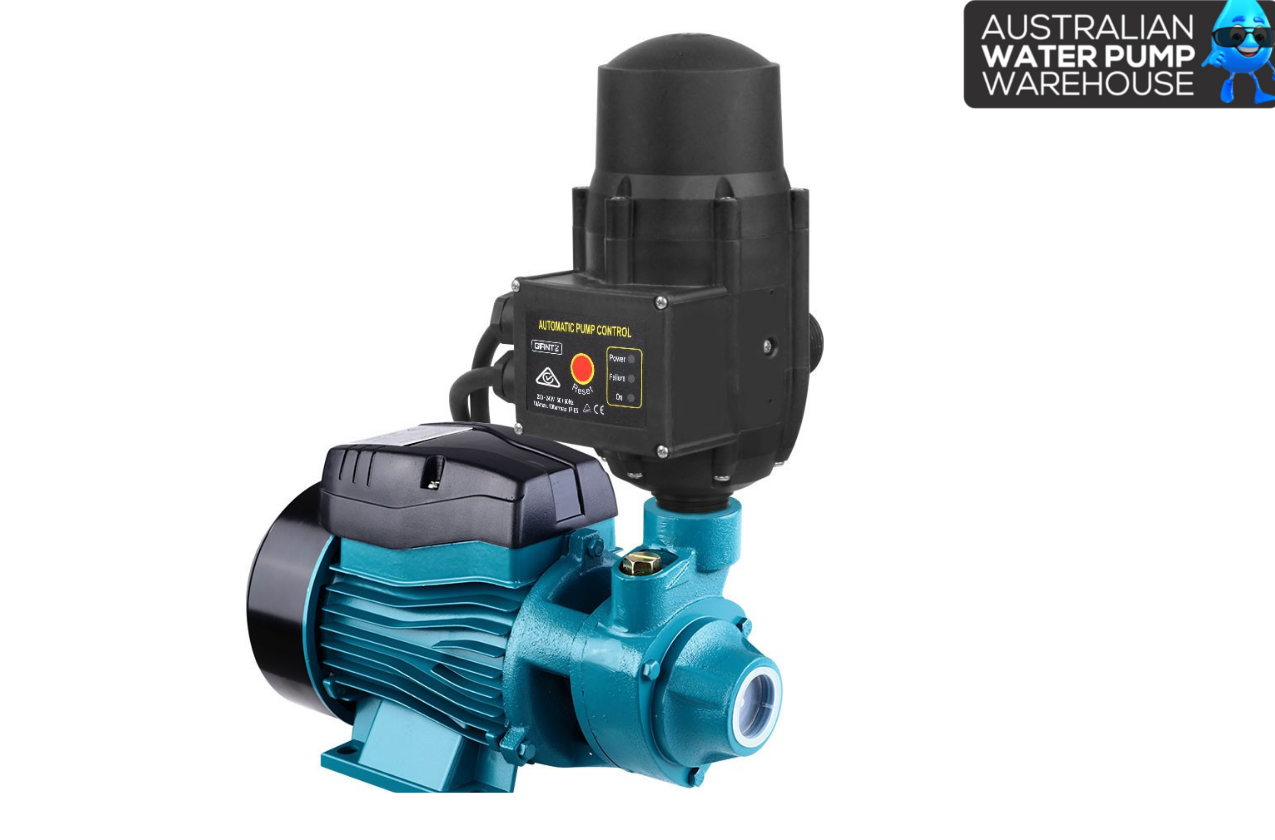
A rain tank pump is a device used to move water out of a rainwater tank so you can actually use it around the home and garden. It’s an essential fixture in many Australian households.
Rainwater is collected from the roof and stored in a tank for use when needed, such as during periods of drought. This device draws the stored water out, delivering pressurised flow to your house and garden taps. In short, it’s what turns a passive storage tank into a usable household water source.
There are several different options on the market, so it’s important to research and find the one that best suits your needs. Make sure you have the right unit in place to make the most of this valuable resource.
How to Choose the Right One
You can use rainwater for various purposes, including drinking, washing and cooking. It’s clean because it isn’t tainted by the chemicals or pollutants that often affect water in urban areas. Rainwater tanks are designed to collect rain and store it safely away until you need it, and the right pumping equipment is what makes that stored water accessible.
Rainwater tanks are usually made up of two chambers: one for storing and one for pumping. The amount of pressure delivered is determined by how high off the ground the storage tank is placed, together with other factors such as pipe length between the home and the tank. These units come in various shapes and sizes, with different features to suit your needs, so there’s plenty of choice available.
Consider the following factors when making your selection:
- Distance the water needs to travel between your tank and home
- Water pressure requirements
- Noise made by the unit
- Energy usage
Factors to Consider
Choosing the right equipment is an important part of the rainwater harvesting process. Here’s what to weigh up:
- Distance between your tank and home — this affects how much electricity is needed (the closer you are, the less power required).
- Water pressure requirements — if you have a high-pressure system, you’ll need something that can withstand the increased pressure.
- Type — both electric and petrol varieties are available, so think about what fuel source is available to you and what noise level you’re comfortable with.
- Energy use — consider how much power it will draw, and whether this will be reflected in your electricity bill. Wattages vary, so pick the one that suits your needs.
You can find the perfect fit for your home and garden by weighing up each factor individually. Get this right, and your rainwater will be collected, stored, and ready to use whenever you need it.
Benefits of Having One
- Installation is simple and requires little maintenance, making it an economical choice.
- Rainwater has higher dissolved oxygen levels than tap water and is better for gardens and plants.
- It helps conserve water usage by letting you rely on stored rainwater rather than mains or town water supplies, which often charge per cubic meter used.
- Rainwater tanks are environmentally friendly, as collected rainwater doesn’t go into stormwater drains — it recharges groundwater reserves and helps reduce surface run-off.
- Tanks can be fitted with filters to remove debris, including mosquitoes, before the water enters, meaning no further filtering is needed before use.
- Water pressure is greater than what you’d get from a gravity-fed system, so tanks can be positioned higher off the ground and still deliver adequate pressure.
- These units are quiet compared to standard petrol or electric water pumps, making them suitable for domestic use. Some models even come with a remote control, so you don’t have to go outside to switch it on or off.
- Rainwater tanks can serve as a backup water supply during emergencies, such as natural disasters when mains water is unavailable.
Conclusion
A rain tank pump is an economical and environmentally friendly way to get pressurised water for your home and garden. Rainwater tanks are becoming increasingly popular because they provide a backup water supply in emergencies and help conserve water usage. Installing one is simple and requires little maintenance, and rainwater’s higher dissolved oxygen levels make it better for your garden and plants than tap water.
You can find the best one from the Australian Water Pump Warehouse. If you have any further queries or require more information, contact us.