
Should I Choose a Solar or Electric Pond Pump?
Adding a water feature or fish pond to your Australian garden brings instant tranquility, wildlife, and visual appeal. However, one key choice decides whether your setup will work well. You might run a small decorative fountain. You might power a cascading waterfall. Or you might keep prize Koi well oxygenated. Should you choose a solar or electric pond pump?
At Water Pump Warehouse, we help thousands of Aussie homeowners select the right pumping solutions every year. Both solar pumps and mains electric pumps have clear pros and cons. Your choice depends on your budget, location, and pond ecosystem. Let’s break down how each type operates, compare their pros and cons, and help you decide which is best for your backyard.
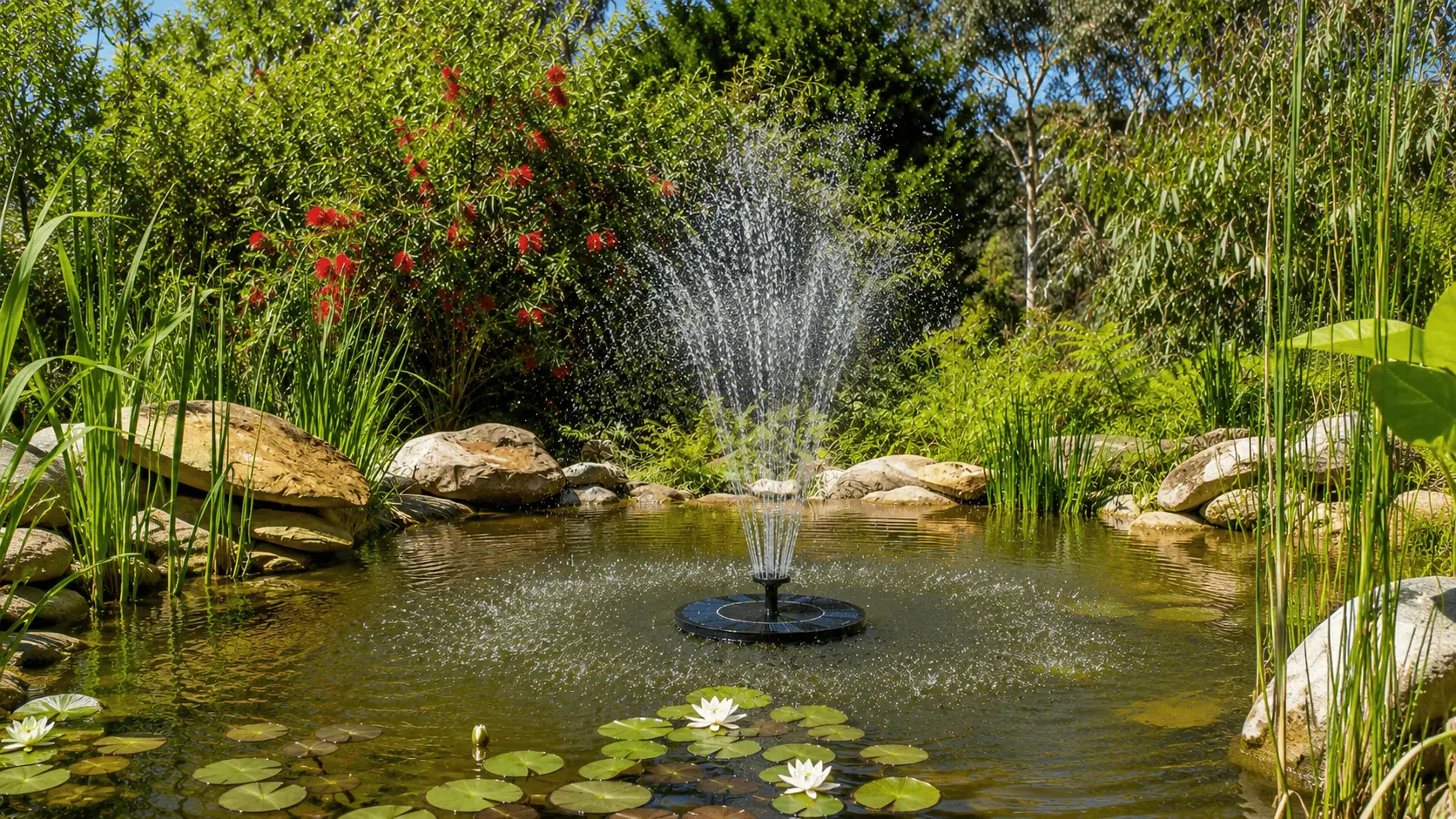
Solar Pond Pumps: Harnessing the Aussie Sun
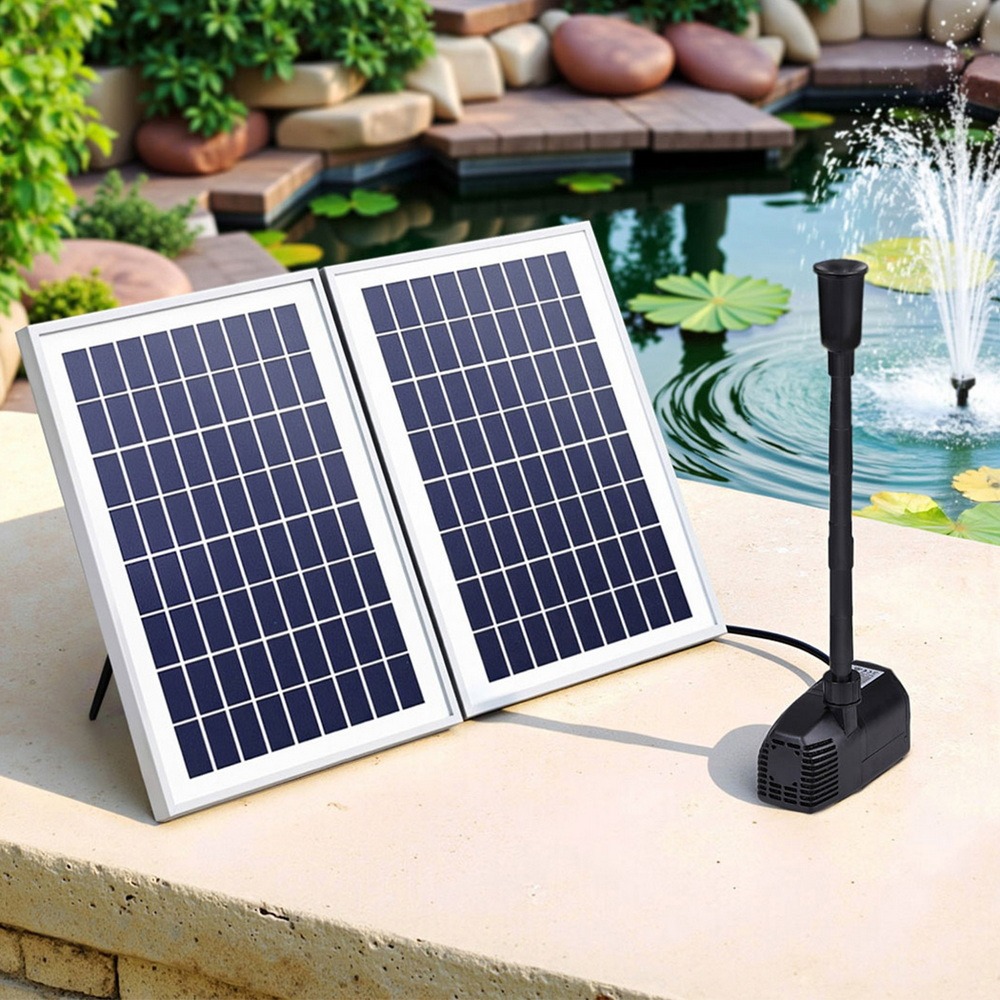
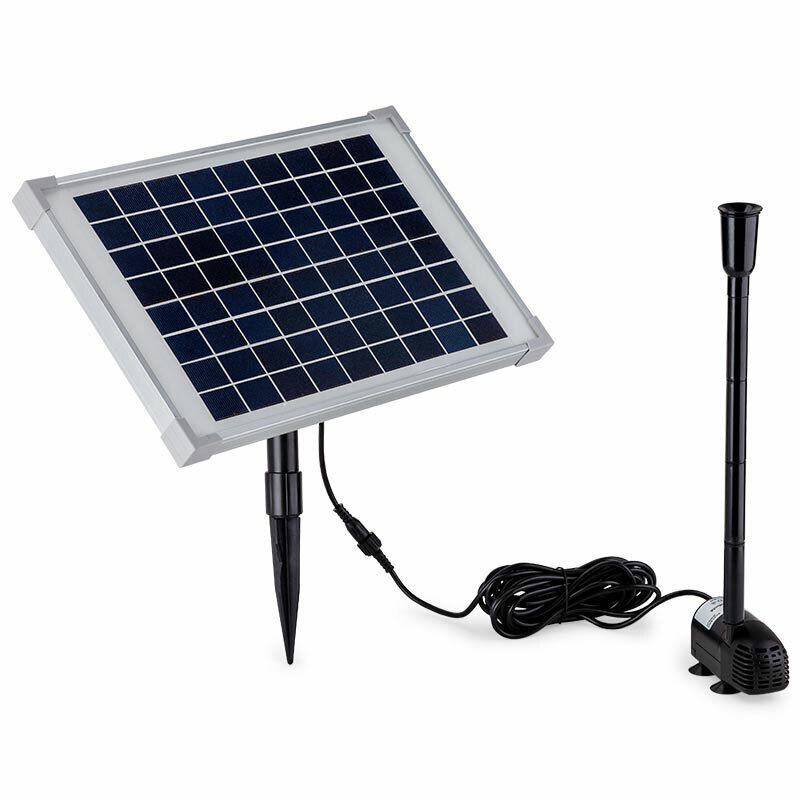
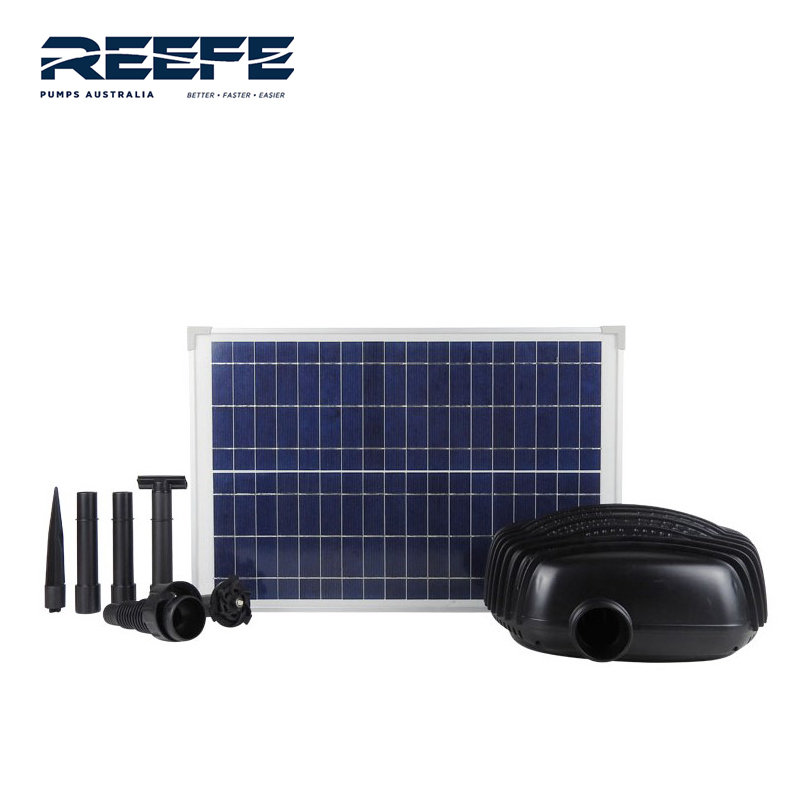
Solar pond pumps convert sunlight directly into electricity via a photovoltaic panel connected to a DC water pump. In sunny Australian conditions, solar power is an increasingly popular choice for eco-conscious garden enthusiasts.
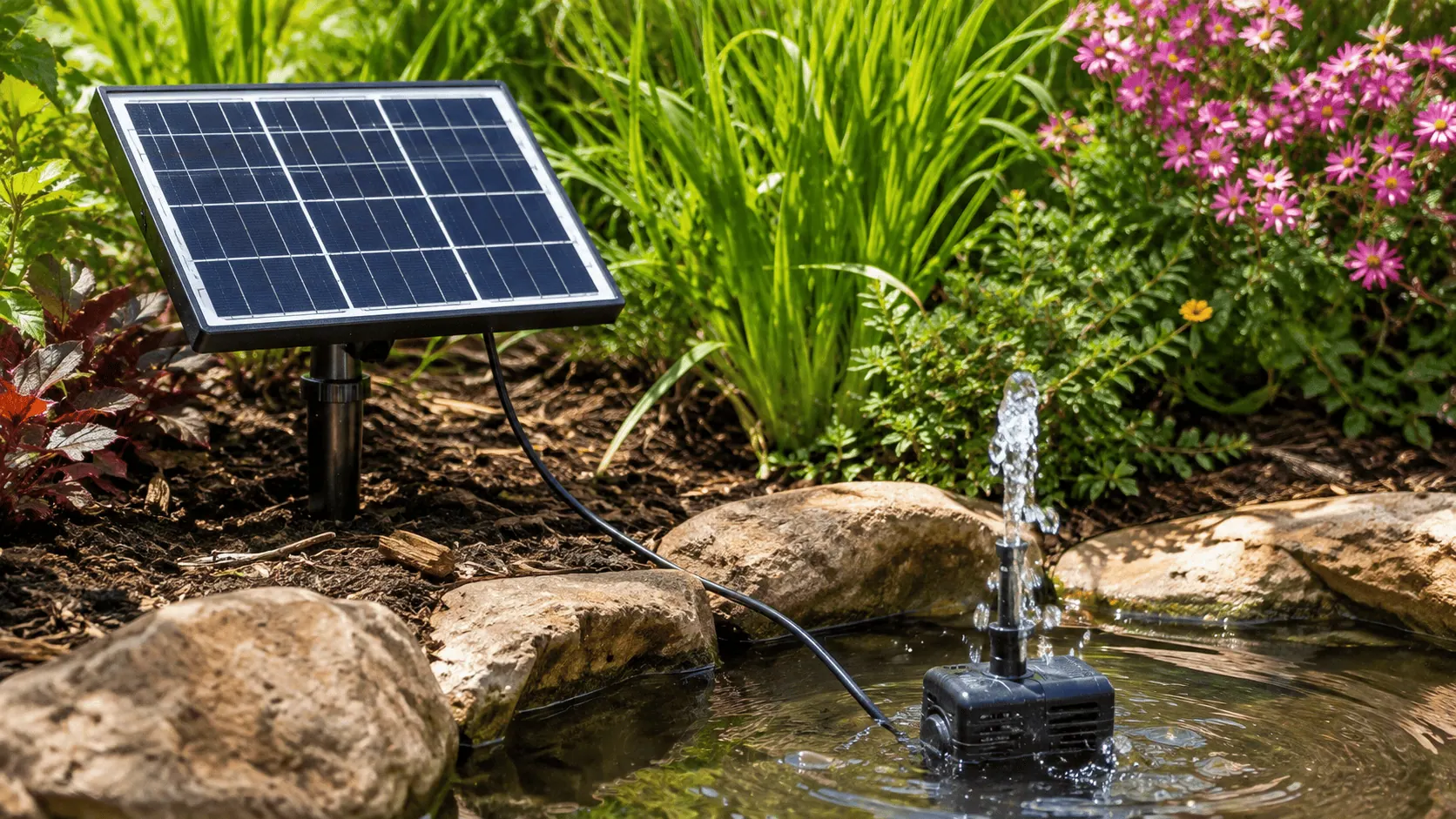
Advantages of Solar Pond Pumps
- Zero Running Costs: Once installed, operating a solar pump costs nothing. It harnesses free, renewable energy from the sun, shielding you from rising electricity tariffs.
- Easy & Safe DIY Installation: Solar pumps run on extra-low voltage DC power, so you can install them yourself. You don’t need a licensed electrician to add outdoor mains power points. There are no dangerous 240V cables buried under your lawn or garden beds.
- Flexible Placement: You can place a solar pond pump anywhere in your yard. This includes remote corners far from outdoor power outlets. You can avoid expensive electrical trenching.
Disadvantages of Solar Pond Pumps
- Weather & Sunlight Dependent: Standard solar pumps only run when direct sunlight hits the panel. On overcast days, during rain, or after sunset, water circulation stops unless your system includes a battery backup.
- Solar pumps usually deliver lower flow rates (litres per hour) than high-power electric models.
- They also produce lower head pressure.
They suit light fountains, small streams, and basic aeration. They are not for heavy filtration or tall waterfalls.
Mains Electric Pond Pumps: Unmatched Reliability & Power
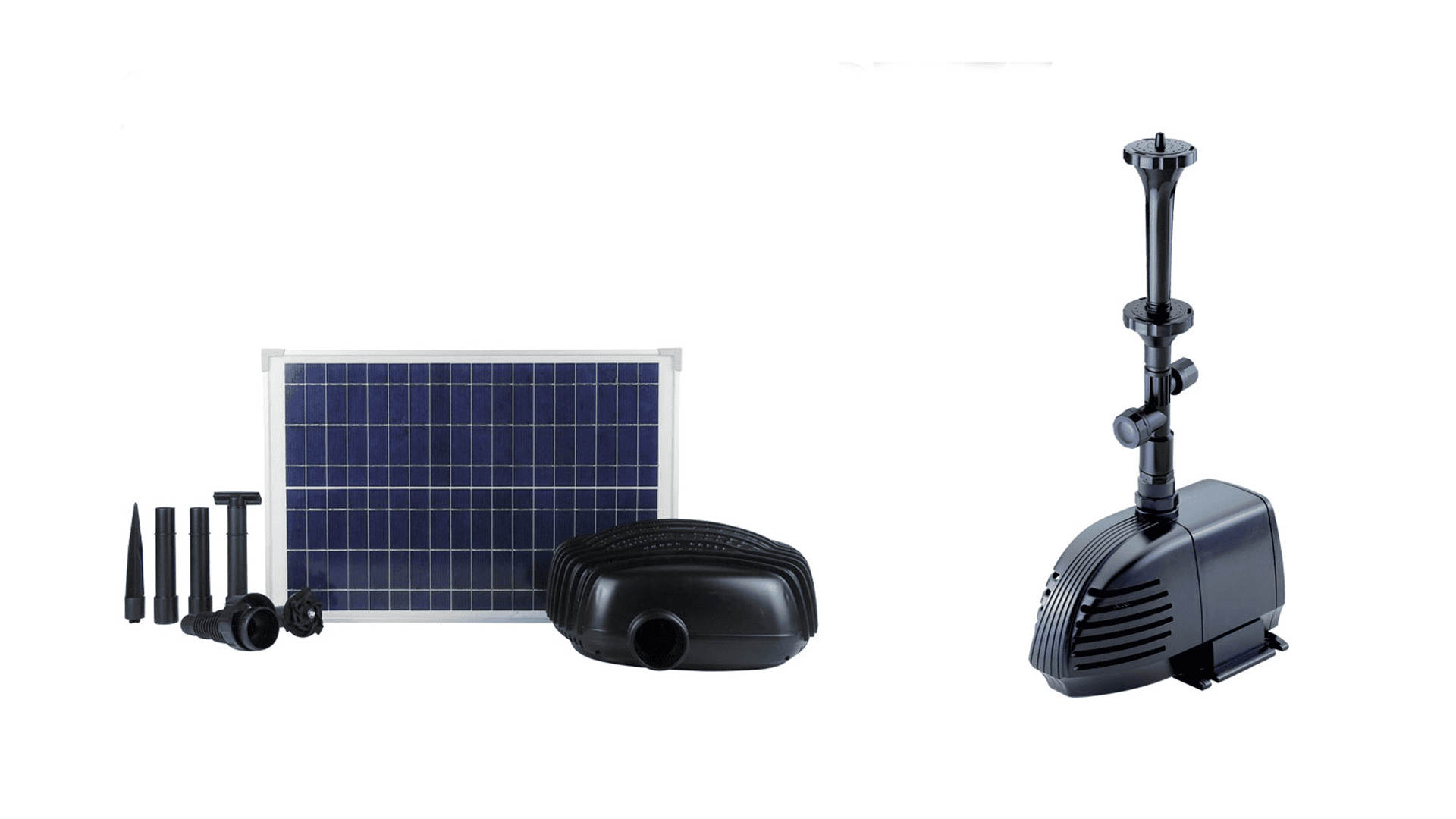
Traditional electric pond pumps plug directly into a standard 240V outdoor power point (GPO). They deliver consistent, uninterrupted power regardless of weather conditions or time of day.
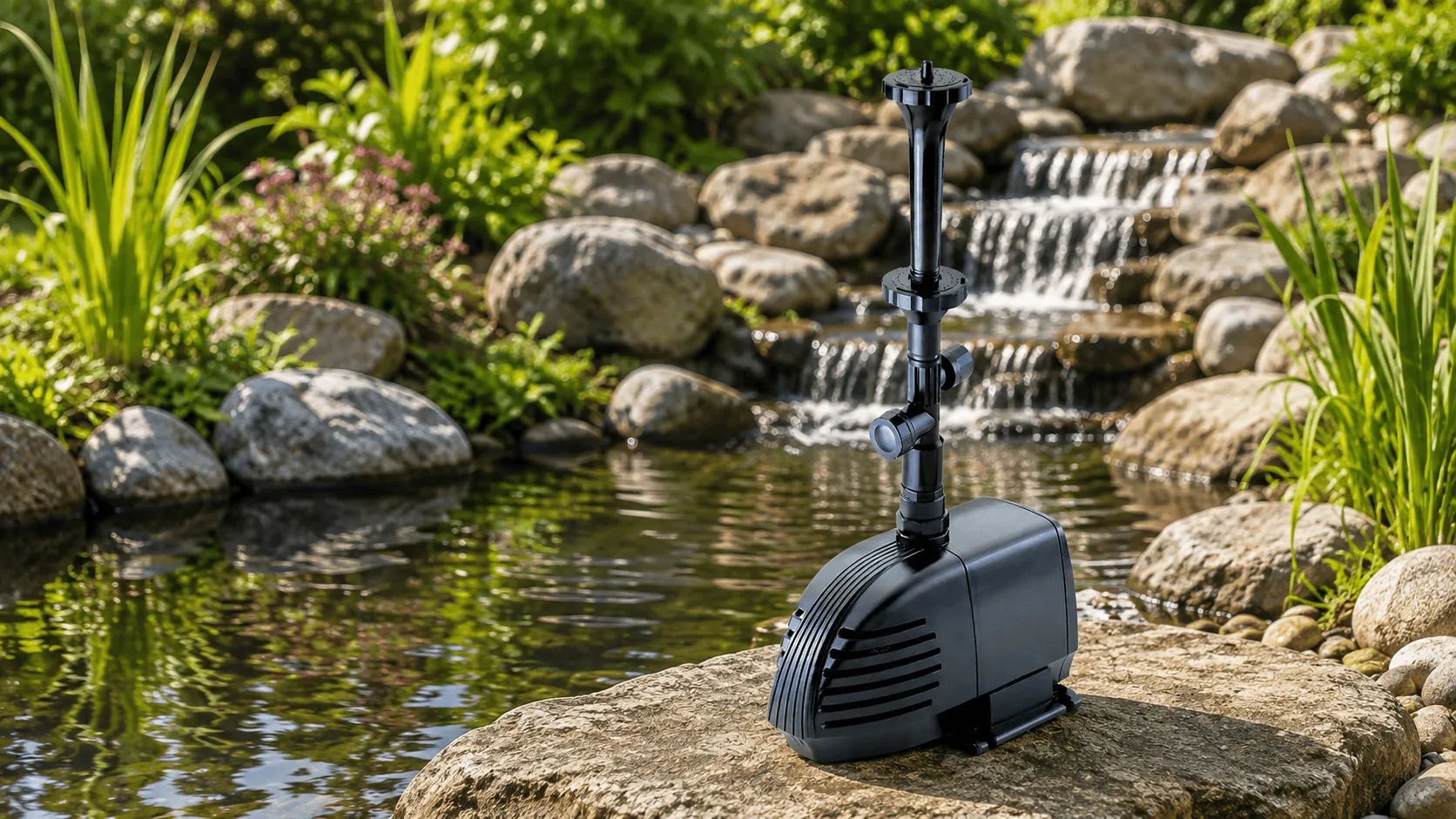
Advantages of Electric Pond Pumps
- Continuous 24/7 Operation: Electric pumps run reliably around the clock. Constant filtration and aeration are vital for heavily stocked fish ponds or biofiltration systems. A drop in oxygen can harm aquatic life.
- High Flow Rates and Strong Pressure: Electric pumps give strong, reliable power.
- Use them to run a fast waterfall.
- Use them for a large filter circuit.
- Use them to create a dramatic fountain.
- Consistent Water Features: You maintain full control over your water feature’s performance every single day of the year.
Disadvantages of Electric Pond Pumps
- Ongoing Electricity Costs: Running a mains-powered pump 24/7 increases your household power bill. Modern energy-efficient models can greatly reduce this cost.
- Installation Restrictions: You need a weatherproof outdoor power outlet near the pond. Otherwise, hire a licensed electrician to install outdoor wiring.
Side-by-Side Comparison
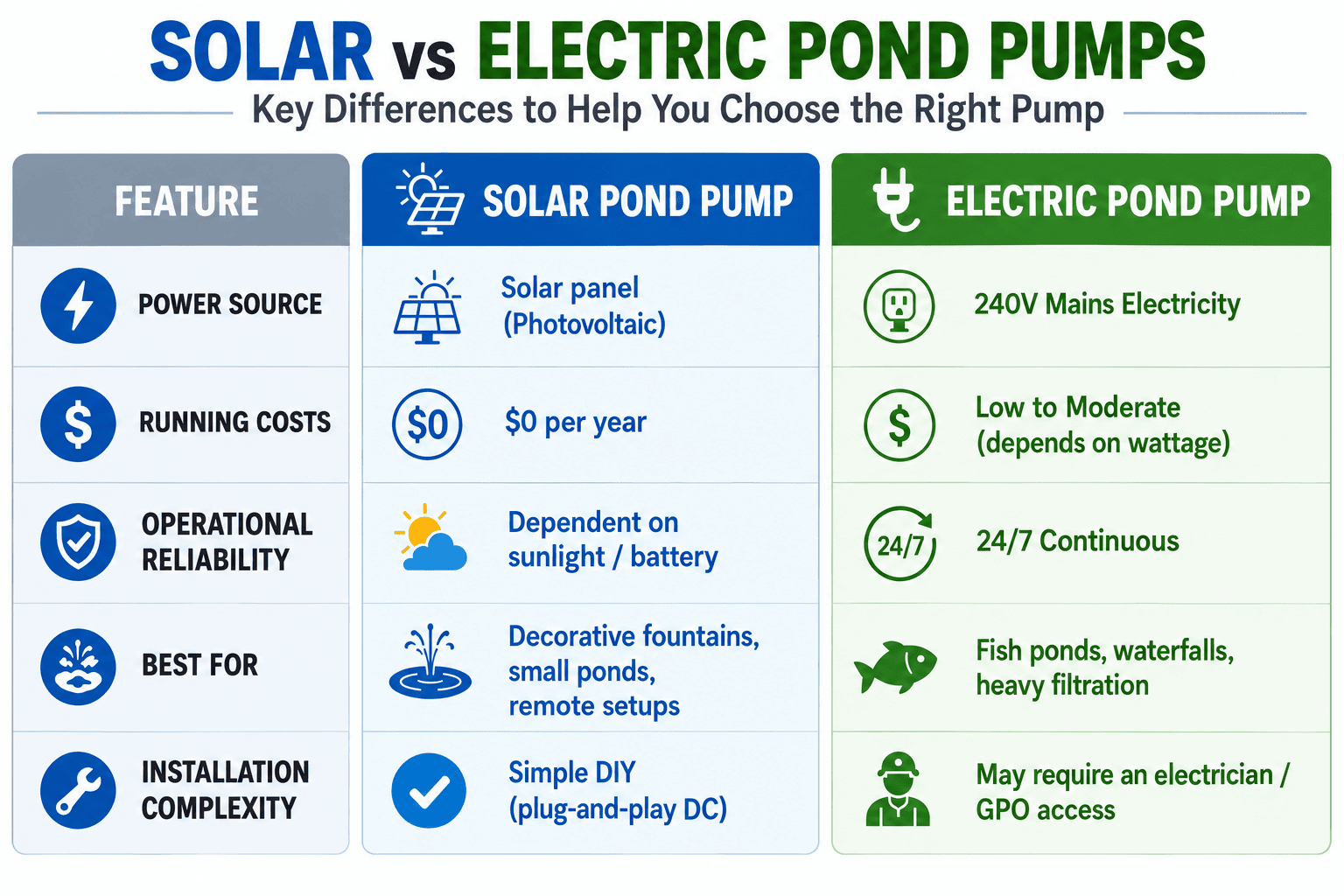
| Feature | Solar Pond Pump | Electric Pond Pump |
|---|---|---|
| Power Source | Solar panel (Photovoltaic) | 240V Mains Electricity |
| Running Costs | $0 per year | Low to Moderate (depends on wattage) |
| Operational Reliability | Dependent on sunlight / battery | 24/7 Continuous |
| Best For | Decorative fountains, small ponds, remote setups | Fish ponds, waterfalls, heavy filtration |
| Installation Complexity | Simple DIY (plug-and-play DC) | May require an electrician / GPO access |
Which One Should You Choose?
Choose a Solar Pond Pump if:
- You want to power a decorative water fountain or small container pond.
- Your pond receives direct, unshaded sunlight throughout the day.
- Your pond is located far away from existing electrical outlets.
- You want zero ongoing power bills and an easy DIY installation.
Choose an Electric Pond Pump if:
- You keep fish (like Koi or Goldfish) that require non-stop 24/7 filtration and oxygenation.
- You are building a large waterfall, stream, or multi-stage filter system that demands high head pressure.
- Your garden area is heavily shaded by trees or surrounding structures.
Find Your Perfect Pond Pump at Water Pump Warehouse
Whether you choose green solar energy or reliable mains power, Water Pump Warehouse has many premium pond pumps.
You can choose from a wide range of options. We also stock solar fountains and filtration systems designed for Australian conditions.
👉 Explore Our Full Range of Pond & Water Feature Pumps — explore online or get in touch with our expert technical team to find the perfect pump size for your pond volume!
Helpful Resources & Guides
- Water Pump Warehouse Official Site: https://waterpumpwarehouse.com.au/
- Pond & Fountain Pump Catalog: https://waterpumpwarehouse.com.au/product-category/aquarium-fountain-water-pumps/
- Australian Clean Energy Council – Solar Pumping Systems Guide: https://www.cleanenergycouncil.org.au/resources/technologies/solar-energy
- NSW Department of Primary Industries – Backyard Pond Aeration: https://www.dpi.nsw.gov.au/fishing/habitat/rehab/heritage-and-culture/fish-health-and-water-quality
- Master Electricians Australia – Outdoor Power Standards (AS/NZS 3000): https://masterelectricians.com.au/safety-standards/