
Pond Pump Checklist: What to Check Before Buying a Pond Pump & How to Troubleshoot It
If you have a pond, then you need a pond pump. Pond pumps are responsible for circulating water and keeping it oxygenated. The water tank pump draws water up from the bottom of the pond and pushes it out to the top, creating a gentle current that helps keep the water moving and prevents stagnation. If your pond pump isn’t working right, it can cause all sorts of problems. No one wants to deal with a malfunctioning unit — it’s a headache to troubleshoot, and it can also be costly if you have to replace the entire thing.
Tips to Follow Before Buying a Pond Pump or Water Tank Pump
Pond pumps are essential for keeping your pond clean and healthy, but they can be a bit of a mystery if you’ve never owned one before. Here are a few tips to help you select the right unit for your needs:
- Size – The first thing to consider is the size of your pond. Units come in various sizes, so you’ll want to make sure you select the right one for your needs. The rule of thumb is to have a pump that can circulate all the water in your pond in about an hour.
- Power Requirements – Another important consideration is the power requirements of the pump. Make sure you know what kind of outlet you have and whether or not it’s compatible. You don’t want to end up with equipment you can’t use because it doesn’t fit your outlet!
- Reviews – As with anything you buy, it’s always a good idea to read the reviews before purchasing. This is especially true here because you want to know how others have liked or disliked a particular model before you buy it.
- Storage – Finally, make sure you have enough room to store the unit. These can be quite large, so you’ll want a place to put them out of the way where they won’t be a tripping hazard.
By following these tips, you can be sure to select the right pond pump for your needs.
How to Troubleshoot a Pond Pump
If yours isn’t working, check for the following:
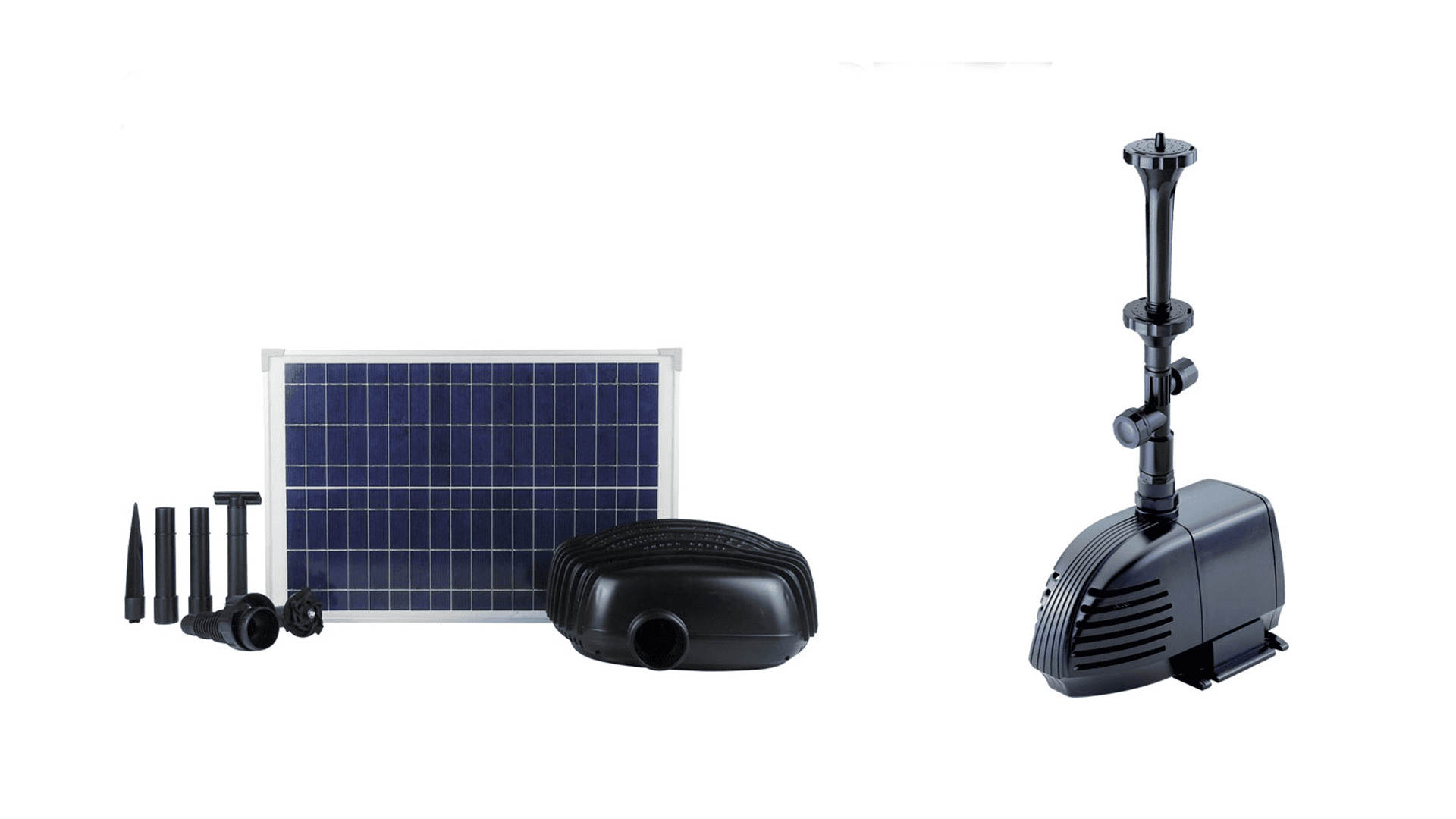
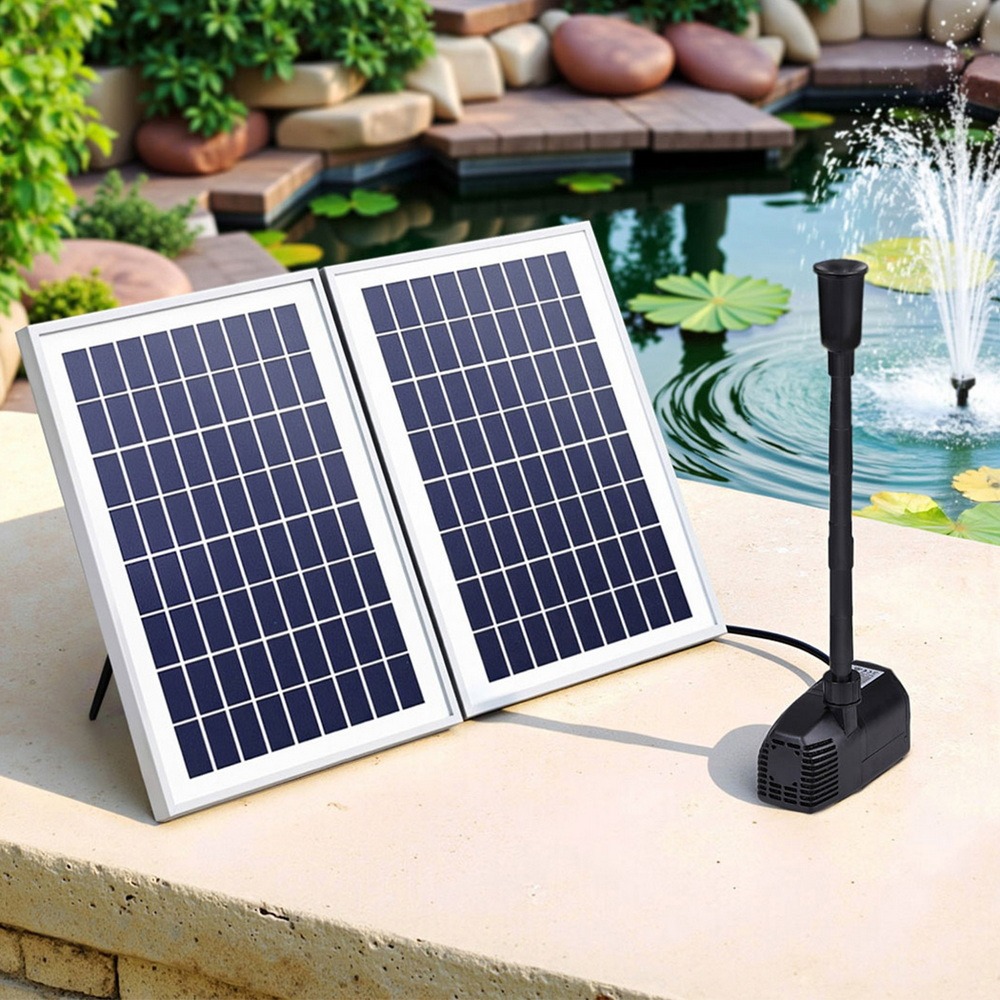
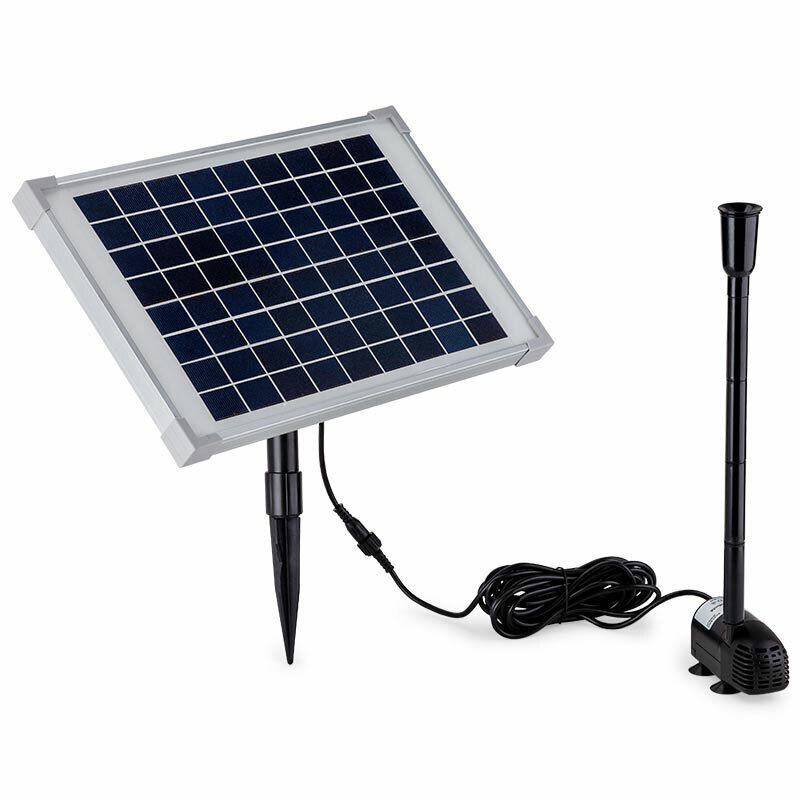
- Check the power supply – Make sure it’s plugged into an outlet and that the outlet is turned on. If it’s solar-powered, make sure the panels are getting sun.
- Check the filter – If it’s getting power, check if anything is blocking the intake or output. Sometimes leaves or other debris can clog the system. If nothing is blocking the water flow, check to see if the impeller is spinning. If it’s not, it isn’t getting any water.
- Check the impeller – The impeller is what moves the water through the unit. If it’s damaged, it can cause the whole system to fail.
- Check the pressure – Most units have a built-in pressure gauge you can use to see if enough water is getting through. If the pressure is too low, there’s not enough water flowing.
- Check the water level – If it’s too low, it can cause damage — the unit needs to be submerged to work properly. If it’s too high, it can cause overheating and burnout.
If you’ve checked all of these things and it still isn’t working, it’s time to contact the manufacturer. They may be able to help you troubleshoot the problem over the phone, or they may need to send you a new part. Either way, it’s always better to err on the side of caution and get professional help when troubleshooting.
Conclusion
Now that you know how to troubleshoot a pond pump, keep this checklist handy the next time you have problems. If you’re in the market for a new one, follow our handy checklist before making your purchase. We hope this was helpful. If you have any questions, please reach out to us or visit our website at waterpumpwarehouse.com.au.